Published: 2nd December 2025
6 minute read
Heat Pumps vs Gas Boilers: Are Heat Pumps Worth It for UK Homes?
TL;DR - key takeaways
In‑depth guide to heat pumps vs gas boilers for UK homes, including costs, efficiency, grants and whether an air source heat pump is worth it for your property.
If you just need the link, you can get your Octopus Energy referral code here.
If you’re wondering whether a heat pump is worth it for your home, you’re not alone. With rising gas prices, generous government grants, and growing concern about carbon emissions, more UK households are asking whether to stick with a gas boiler or switch to a heat pump.
This guide breaks down how heat pumps work, how they compare to gas boilers on running costs, comfort, and carbon, and when a heat pump makes sense for your home.
Heat pump vs gas boiler: quick comparison
Before diving into the detail, here’s a simple overview of heat pumps vs gas boilers:
How they work
Gas boiler: Burns gas to create heat.
Heat pump: Uses electricity to move existing heat from the air or ground into your home.
Efficiency
Gas boiler: Typically around 85–90% efficient.
Air source heat pump: Often delivers 3–4 units of heat for every 1 unit of electricity it uses over a year (a seasonal efficiency of 300–400%).
Running costs
Gas is cheaper per unit than electricity, but heat pumps are far more efficient. In a well‑designed system, they can match or beat gas boiler running costs, especially on competitive electricity tariffs.
Carbon emissions
Gas boilers burn fossil fuel directly in your home.
Heat pumps run on electricity, which is getting cleaner every year, so emissions are much lower and fall as the grid decarbonises.
Upfront cost
- Heat pumps currently cost more to install than a like‑for‑like boiler replacement.
- However, the Boiler Upgrade Scheme grant (up to £7,500) can cover a large chunk of that cost for eligible homes in England and Wales. If you’re planning to stay in your home for several years and care about lower carbon and long‑term running costs, a heat pump is well worth considering.
What is an air source heat pump and how does it work?
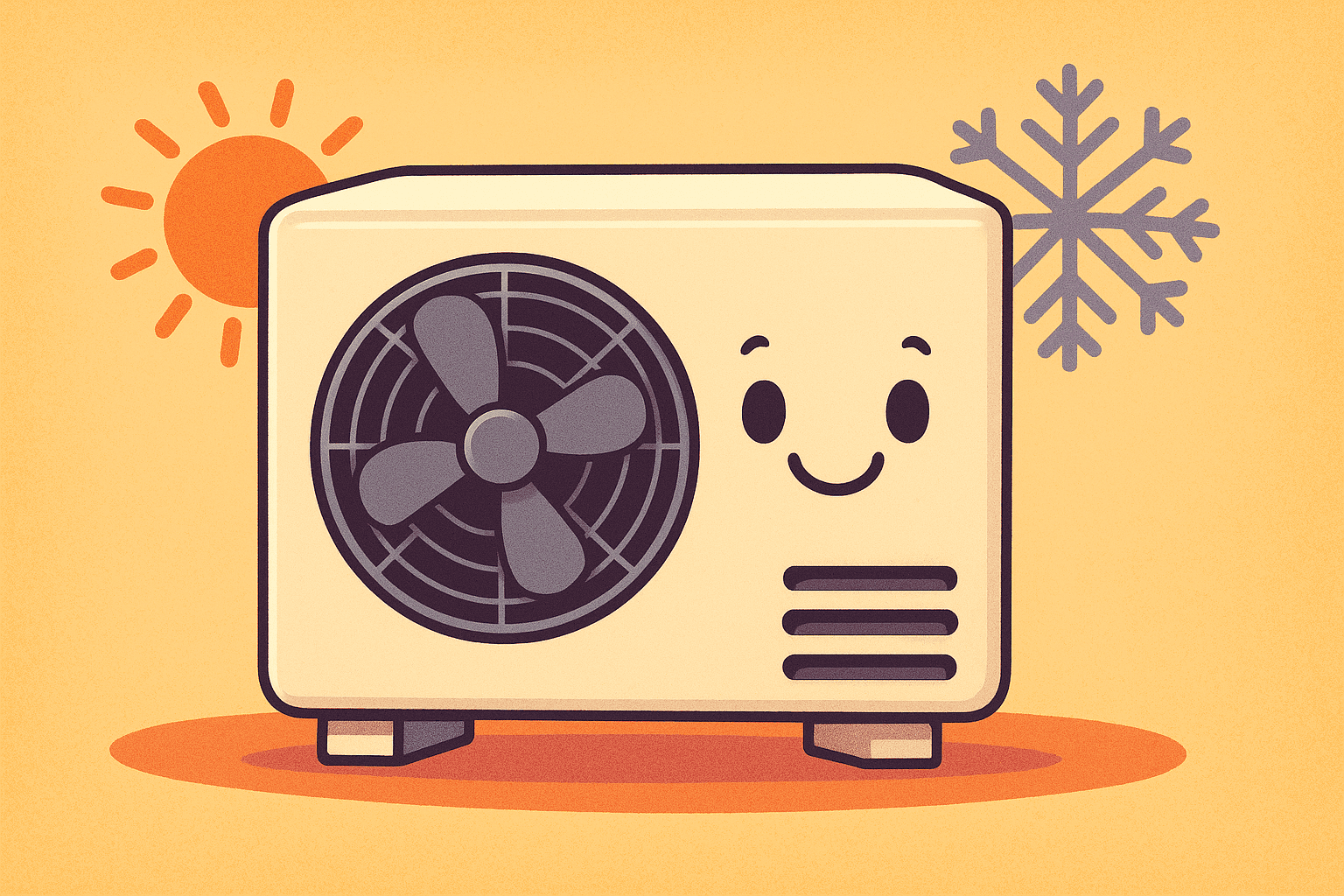
Most UK homes that switch away from gas use an air source heat pump.
Instead of burning fuel, a heat pump works like a fridge in reverse:
- The outdoor unit absorbs low‑grade heat from the outside air.
- A refrigerant is compressed, increasing its temperature.
- That heat is transferred into your home via radiators, underfloor heating, or a hot water cylinder.
- The refrigerant cools and the cycle repeats.
Because the system is moving heat rather than creating it, it can deliver multiple units of heat for each unit of electricity, which is where the efficiency comes from.
Are heat pumps worth it for UK homes?
Whether a heat pump is “worth it” depends on your home and priorities. These are the key factors to think about:
1. Home insulation and heat loss
Heat pumps work best in homes with decent insulation and low heat loss. That doesn’t mean you need to live in a brand‑new eco‑home, but you’ll get better results if:
- You have cavity wall and loft insulation where possible.
- Windows and doors are reasonably draught‑proof.
- Radiators are correctly sized for lower flow temperatures.
A good installer will carry out a heat loss survey to check if your home is a good candidate.
2. Running costs vs gas
A lot of people search for: “Are heat pumps cheaper to run than gas?”
The honest answer: it depends on your tariff, your boiler, and your home.
- If you’re on an expensive electricity tariff and have a very cheap gas tariff, a heat pump may cost about the same or slightly more to run.
- If you choose a competitive electricity tariff and your heat pump is correctly designed, you can match or beat gas boiler running costs, particularly if your current boiler is old and inefficient.
- Smart or “time‑of‑use” tariffs can make heat pumps even cheaper to run if you can shift some heating and hot water to cheaper periods.
Over time, as gas prices remain volatile and the grid gets cleaner, heat pump economics are likely to improve further.
3. Comfort and how heating “feels”
Heat pumps heat your home differently from a typical on/off boiler.
- Instead of short bursts of very hot radiators, heat pumps run for longer at lower temperatures, keeping your home at a stable, comfortable level.
- Many people find this more comfortable, with fewer temperature swings.
- Radiators may feel warm rather than very hot, which can take some getting used to—but the overall room temperature is what matters.
If you like a consistent, cosy temperature rather than sudden blasts of heat, you’ll probably get on well with a heat pump.
4. Carbon savings
If you’re looking to cut your carbon footprint, a heat pump is one of the most impactful home upgrades you can make.
- Gas boilers emit carbon dioxide every time they fire up.
- Heat pumps draw on an electricity grid that’s already heavily supplied by wind, solar, and other renewables.
- As the grid gets greener, your heating naturally becomes cleaner over time, without you doing anything.
For many households, this is the main reason to switch.
5. Upfront cost vs long‑term value
A heat pump is usually more expensive up front than a direct like‑for‑like boiler swap, but there are important offsets:
- The Boiler Upgrade Scheme currently offers up to £7,500 off the cost of a heat pump installation for eligible properties.
- Heat pumps typically have a longer lifespan than many boilers when properly maintained.
- Lower carbon and potentially lower running costs can make them attractive over the long term, especially if you’ll be in the property for many years.
A good installer should give you a clear quote, explain which grants you’re eligible for, and estimate likely running costs for your home.
How long do heat pumps last?
With proper design and regular maintenance, many air source heat pumps can last 15–20 years or more.
Comparing lifespans:
- Modern gas boiler: often around 10–15 years before repair costs mount up.
- Well‑maintained heat pump: often in the 15–20 year range.
Because heat pumps don’t burn fuel internally, there’s less thermal stress and fewer combustion parts to go wrong, which can help with longevity.
Are heat pumps noisy?
Another common search is: “Are heat pumps noisy?”
- The outdoor unit contains a fan and compressor, so it does make some noise.
- A well‑installed heat pump should be no louder than a modern outdoor air conditioning unit when running.
- Installers should follow planning and noise regulations, choosing a sensible location away from bedroom windows where possible and using anti‑vibration mounts.
Inside the house, there’s usually no extra noise beyond the gentle sounds you’d expect from radiators or underfloor heating.
Do heat pumps work in cold UK winters?
Yes. Modern air source heat pumps are designed to work efficiently in cold climates, including typical UK winters.
- They can extract useful heat from the air even when it’s below freezing outside.
- Performance does drop in very cold snaps, but a correctly sized system will still keep your home warm.
- Correct radiator sizing and system design are crucial; this is why a proper heat loss calculation is so important.
If your home is draughty or under‑radiated, a good installer will recommend fabric upgrades or larger radiators to make sure the system performs as expected.
When is a heat pump a good idea?
A heat pump is usually a strong option if:
- You plan to stay in your home for several years.
- You’re willing to improve insulation where sensible.
- You want to cut your carbon emissions from heating.
- You’re open to a different heating style (steady, background warmth).
- You can access a government grant to support the upfront cost.
If you’re planning to move very soon or can’t make basic insulation improvements, it may be worth planning a heat pump for your next home instead.
How to get started with a heat pump
If you’re considering a heat pump for your home, here’s a simple way to start:
- Check basic insulation: loft, cavity walls (if applicable), and draught‑proofing.
- Use an online heat pump eligibility checker or quote tool to see if your home looks suitable.
- Confirm whether you can claim the Boiler Upgrade Scheme grant or other local support.
- Get multiple quotes from reputable, MCS‑certified installers.
- Compare not just the price, but also:
- The heat loss calculations they provide.
- The system design (radiators, underfloor, hot water cylinder).
- Their assumptions about running costs and tariffs. If you decide to go ahead with a supplier that offers a refer‑a‑friend scheme, you can usually use a referral link when you switch to get bill credit or a discount on your installation.
Quick heat pump FAQs
Are heat pumps cheaper to run than gas? They can be, especially in a well‑insulated home on a competitive electricity tariff. Because heat pumps are 3–4 times more efficient than a typical boiler, they can match or beat gas running costs even though electricity is more expensive per unit.
Do I need to replace all my radiators for a heat pump? Not always. Some radiators may need to be upsized to deliver enough heat at lower flow temperatures, but a good installer will tell you which ones actually need changing.
Can I use a heat pump for hot water as well as heating? Yes. Most domestic systems are designed to provide space heating and hot water, usually with a compatible hot water cylinder.
Will a heat pump work in my older property? Potentially, yes. Many older homes can work well with a heat pump after basic insulation and draught‑proofing upgrades. The key is a proper heat loss survey and good system design.
Do heat pumps need much maintenance? Maintenance is generally light: annual checks, keeping the outdoor unit clear of leaves and debris, and occasional servicing to keep the system efficient and reliable.
Octopus Energy referral link
If you’re serious about cutting your carbon footprint and want modern, efficient heating, a heat pump is one of the most future‑proof options available for UK homes today. Combine decent insulation with a well‑designed system and the right tariff, and a heat pump can offer comfortable, low‑carbon heating for many years to come.
Checkout the Octopus Energy referral link to get a £100 gift card. Treat yourself at top UK retailers like Amazon, M&S, IKEA, Airbnb, TK Maxx, Costa and loads more!